Search does not stop at ten blue links anymore. People discover businesses through classic results, featured answers, map listings, and generative AI experiences. This guide explains how to build a useful search visibility strategy across SEO, answer engine optimization (AEO), and generative engine optimization (GEO)—without chasing shortcuts or guaranteed rankings.
Use this six-part learning path to understand what searchers need, strengthen your website foundations, and measure progress in ways that matter to your business.
1. SEO fundamentals: keywords, SERPs and search intent
Search engine optimization starts with the person behind a query. A keyword is a clue about a need, not a goal by itself. Review the search engine results page (SERP) for your topic: the formats and questions shown can reveal whether people want an explanation, a comparison, a local provider, or a product to buy.
Group related queries by intent—informational, navigational, commercial investigation, or transactional. Then choose one clear purpose for each page. A local service page should help a prospective customer understand the service, location, process, and next step; a blog article can answer a broader question in depth. Avoid creating near-identical pages just to target small keyword variations.
2. On-page SEO: titles, headings, content and internal links
Make the page’s subject and value clear. Write a descriptive title that matches the actual content, use one meaningful main heading, and organize sections with logical subheadings. A search snippet description should summarize the page honestly and invite the right reader—not promise a result the page cannot deliver.
Useful content adds context, examples, and experience rather than repeating a phrase. Mention your main topic naturally where it helps the reader. Link to related service pages, guides, and FAQs with descriptive anchor text so visitors can continue learning and search systems can discover important pages. Add image alternative text that explains an image’s purpose; do not cram keywords into alt attributes.
3. Technical SEO and off-page SEO
Technical SEO helps people and crawlers access, render, and understand important content. Check that key URLs load securely, work on mobile, have a sensible canonical URL, and are not blocked from crawling or indexing. Keep an XML sitemap current and include only canonical, indexable pages. Use structured data only when it accurately describes visible page content and follows the relevant search engine guidelines.
Off-page SEO is about reputation and references beyond your site. Earn relevant mentions by doing work worth discussing, publishing reliable resources, contributing to your community, and maintaining accurate business listings. Avoid buying links or using automated schemes. A link is not a substitute for a good customer experience, and no link-building tactic guarantees a ranking.
4. AEO: answer engine optimization
Answer engine optimization (AEO) is the practice of making dependable answers easy to find and understand in answer-focused search experiences. Begin with a real question from customers. State the short answer plainly, then explain important qualifications, steps, examples, and sources. Question-shaped headings can help navigation when they naturally match the reader’s question.
Keep answers accurate and maintained. Show who is responsible for the information, distinguish facts from opinion, and explain local or technical terms. FAQ markup does not guarantee a special result, and adding schema to a page does not make weak or unsupported answers trustworthy.
5. GEO: generative engine optimization
Generative engine optimization (GEO) describes efforts to make useful, credible content easier for generative search systems to interpret and potentially reference. The field is changing quickly, so treat GEO as an evolving set of publishing practices—not a ranking formula. No publisher can guarantee that an AI system will mention or cite a page.
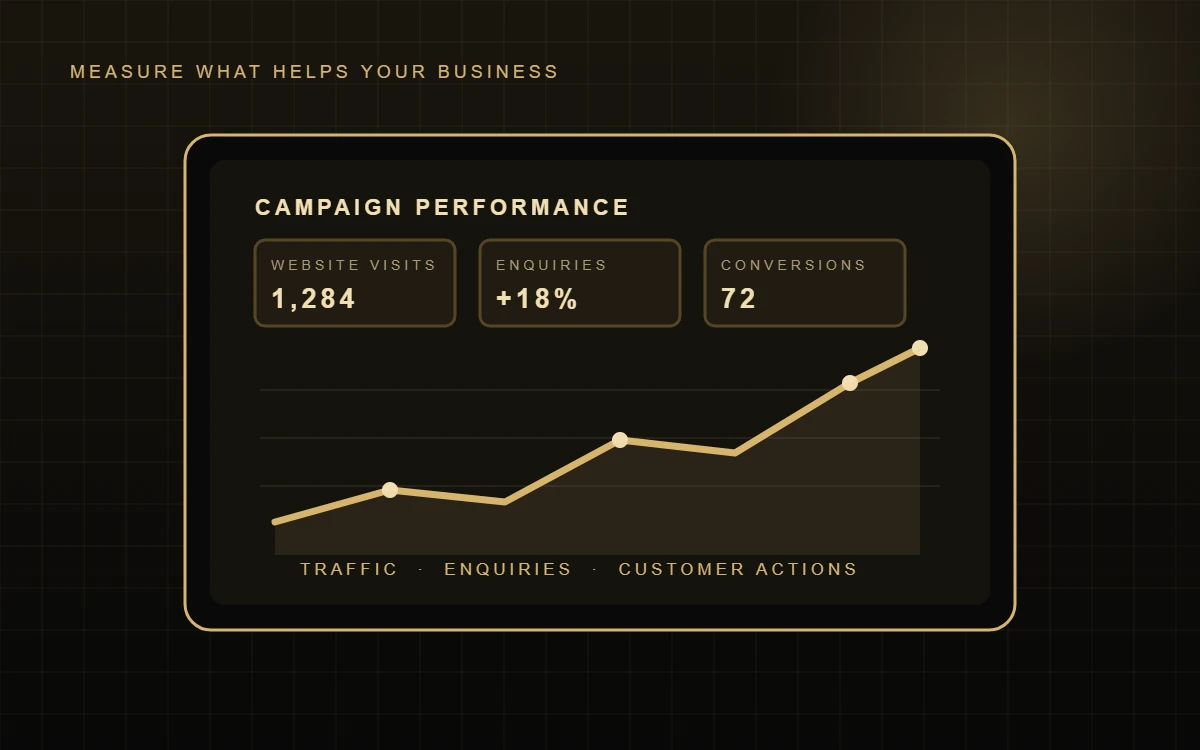
Make important information accessible in crawlable text, use clear headings and entity names, identify authors and relevant expertise, cite primary sources for factual claims, and keep pages current. Build original value through first-hand experience, examples, and data you can explain. Monitor qualified visits, branded searches, referral sources, and real enquiries; visibility alone is not the business outcome.
6. Combine SEO, AEO and GEO into one strategy
The strongest approach is not three disconnected content plans. Start with a customer need, select the best page type, answer the need with original and trustworthy information, and make the page technically accessible. Add internal links to related resources and a clear next action. Then improve the page using evidence from search queries, customer conversations, and conversions.
- Understand: map the audience, search intent, and business goal.
- Create: publish a helpful page with clear authorship, evidence, and useful structure.
- Connect: link it to relevant services, FAQs, and related articles.
- Check: review indexing, mobile usability, performance, canonical URLs, and structured data.
- Improve: use Search Console, analytics, leads, and reader feedback to decide what to update.
A practical publishing checklist
- Does the page satisfy one clearly defined search intent?
- Does the title describe the content and is the answer easy to find?
- Are claims supported, current, and attributed to a responsible author?
- Can visitors and crawlers access the page on mobile without friction?
- Are canonical URLs, internal links, image alt text, and sitemap inclusion correct?
- Have you chosen a meaningful outcome to review after publishing?
For official, changing guidance, consult Google Search Central documentation and Bing Webmaster Guidelines. Search features change; use current platform documentation rather than assuming a technique guarantees visibility.
SEO, AEO and GEO FAQs
What is the difference between SEO, AEO and GEO?
SEO helps useful pages become discoverable in search. AEO emphasizes clear, reliable answers in answer-oriented experiences. GEO focuses on making information understandable and attributable in generative experiences. These approaches share a foundation of helpful, accessible, trustworthy content.
Do I need separate content for AEO and GEO?
Not automatically. Start with the audience’s need and create a strong page that answers it. Separate pages are useful only when the audience intent differs and each page offers distinct value.
Can GEO guarantee that AI tools cite my website?
No. Generative systems decide which sources to show, and their selection can change. Accurate expertise and accessible information can support discovery, but no service, markup, or keyword density guarantees a citation.
How should a small business start with SEO, AEO and GEO?
Clarify your services and audience, improve your core service pages and local listings, address important technical issues, publish genuinely useful answers, and measure qualified enquiries. For local business examples, read our digital marketing consultant in Idukki growth guide.
Need help applying the ideas? Contact Alan John to discuss your website and digital marketing goals.